The Chinese Ministry of Health has launched a big campaign to save people from the outbreak of Chikungunya fever.
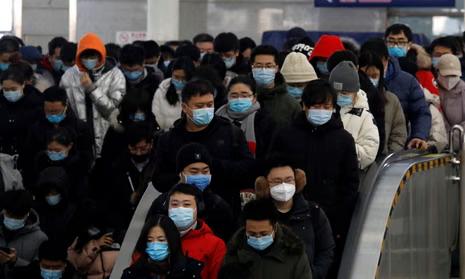
Another deadly disease is spreading in China five years after the COVID-19 pandemic. The hospitals in the southern Chinese city of Foshan are reportedly full and can hardly accommodate more patients. Many patients are in hospitals waiting for their turn to receive treatment. Chikungunya is the disease responsible for the increase in patients. The Chinese Ministry of Health has launched a campaign to save people from Chikungunya fever.
China’s Ministry of Health has launched an emergency campaign to protect people who could contract chikungunya fever. This is significant because Guangdong province has hardly ever seen cases of this illness. Hong Kong, a neighbor, is likewise on high alert due to the epidemic.
According to the South China Morning Post, local officials in Foshan’s Shunde and Nanhai districts sent out notifications on Saturday urging all citizens and communities to practice indoor hygiene and outdoor cleanups in order to prevent mosquito breeding.
According to the local health authority, an imported case in Shunde on July 8 was the catalyst for the outbreak. There were 1,161 confirmed cases in Shunde as of Friday, with the majority of these cases centered in the municipalities of Chencun, Beijiao, and Lecong. The symptoms were minimal for every patient.
Other districts also reported confirmed cases; as of Friday, Nanhai district had added 16 cases, while Chancheng district had added 22 cases. Guangdong’s neighbor, Macau, announced one imported case of chikungunya on Friday. A local citizen who had recently returned from a trip to Foshan was at the center of the investigation.
About Chikungunya
The World Health Organization’s (WHO) official website states that chikungunya is a virus that is spread by mosquitoes and results in fever and excruciating joint pain. It is brought on by a ribonucleic acid (RNA) virus that is a member of the Togaviridae family’s alphavirus genus. The term “chikungunya” refers to the stooping appearance of infected individuals with significant joint pain (arthralgia) and is derived from a word in the southern Tanzanian Kimakonde language that means “that which bends up.”
An infected mosquito bite is the means by which chikungunya fever is spread. Patients with the infection may experience joint discomfort and fever for months or even years. Rashes, nausea, and muscle soreness are other symptoms. Humans contract the chikungunya virus (CHIKV) by the bites of female mosquitoes carrying the virus, most frequently Aedes aegypti and Aedes albopictus.