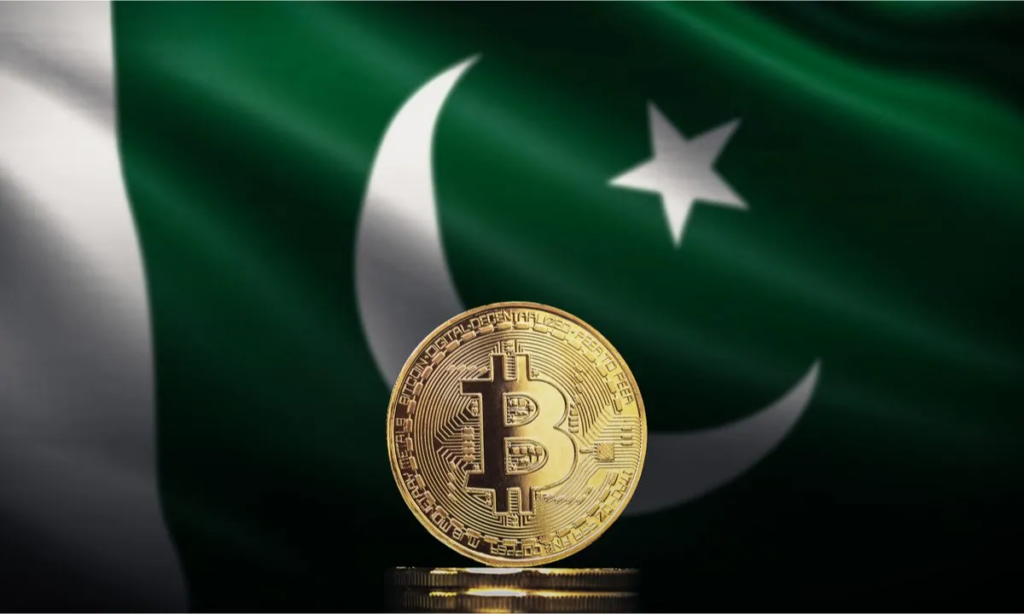
Pakistan’s recent embrace of Bitcoin and digital finance marks a dramatic shift in its economic strategy, one that blends technological ambition with fiscal desperation. In March 2025, the government established the Pakistan Crypto Council (PCC), led by Bilal Bin Saqib, a young and dynamic figure who also serves as the State Minister for Crypto & Blockchain. Pakistan officially announced the creation of its first government-led Strategic Bitcoin Reserve on May 29, 2025, during the Bitcoin 2025 conference in Las Vegas.
Alongside the PCC, the Pakistan Digital Assets Authority (PDAA) was created to draft regulations for cryptocurrencies, digital wallets, and blockchain systems. These institutions represent a bold attempt to formalize and harness the power of digital assets, with plans to use Bitcoin as a national savings mechanism. In the United States, Pakistan’s Minister of State for Digital Assets and Blockchain, Bilal Bin Saqib, held high-level meetings in May 2025 with officials from the U.S. Digital Assets Council, including Executive Director Robert ‘Bo’ Hines. With Peru, Pakistan is reportedly exploring bilateral cooperation in blockchain and digital finance. While details are still emerging, the initiative reflects Pakistan’s broader strategy to position itself as a leader in decentralized finance across emerging markets.
The country’s announcement of a strategic Bitcoin reserve caught global markets off guard, but it raises a critical question: has the government acted prematurely, unveiling its plans before laying the necessary groundwork? The success of this strategy hinges on Pakistan’s capacity to establish a clear and enforceable regulatory framework that can protect investors and ensure transparency. For Pakistan’s crypto ambitions to materialize, trust must be earned through credible institutions, legal safeguards, and a commitment to financial integrity.
Pakistan’s energy sector is burdened by long-term contracts and declining demand, forcing the government to pay over $7 billion annually for unused electricity. In a creative twist, the government plans to redirect this surplus power to Bitcoin mining and AI data centers. The strategy promises to monetize idle energy, attract foreign investment, and create tech-driven employment.
Global interest has followed. International Bitcoin miners and data infrastructure firms are reportedly exploring partnerships with the PCC. In June 2025, Pakistan signed agreements with Trump-backed crypto venture called World Liberty Financial (WLF) and Binance to expand blockchain infrastructure and promote decentralized finance (DeFi).
The plan, however, is riddled with complications. Bitcoin mining is notoriously energy-intensive, and Pakistan’s grid, largely powered by fossil fuels, raises environmental concerns. The IMF has already rejected aspects of the crypto power subsidy plan, signaling potential financial and diplomatic friction. Moreover, critics point to logistical challenges within Pakistan’s electricity infrastructure. Although Pakistan has significant surplus electricity production capacity, ongoing power delivery issues frequently result in blackouts and inconsistent supply. Until these fundamental infrastructure challenges are addressed, promises of a Bitcoin reserve remain theoretical rather than practical.
Pakistan’s economic woes, rising inflation, mounting debt, and declining industrial activity, make the crypto pivot seem like a desperate attempt to leapfrog into prosperity. But the foundation is shaky. The State Bank of Pakistan has historically discouraged crypto trading, and the legal framework remains underdeveloped.
Without clear legal protections, investors face the threat of account freezes, bans, and limited recourse in the event of fraud. The volatility of cryptocurrencies further compounds the danger, with sudden price swings capable of wiping out investments overnight. Security concerns loom large, especially given Binance’s global scrutiny over anti-money laundering violations and WLF’s political entanglements, which raise questions about governance and transparency.
Pakistan’s crypto landscape is also haunted by a history of fraud. In January 2022, one of the country’s largest cryptocurrency scams left investors with losses totaling $100 million. Fraudulent mobile applications lured individuals into investment schemes, urging them to transfer funds from Binance wallets to deceptive platforms. When the apps collapsed, thousands were locked out of their investments. Investigations revealed links to multiple applications, each with thousands of customers, and prompted the Federal Investigation Agency (FIA) to summon Binance’s representative in Pakistan. Despite this troubling history, the government has continued to engage with Binance, a move that undermines public trust and raises concerns about oversight.
The problem has only worsened. In 2024 alone, over 11,000 bank accounts were frozen due to crypto-related fraud, with 90% of victims unaware they were part of illicit transaction chains. Recovery is slow and arduous, with only 15% of accounts restored, and traders who declare crypto transactions often face permanent bans. This discourages transparency and reporting, further weakening investor confidence. Scammers exploit legal loopholes and operate through peer-to-peer platforms, ensnaring innocent traders in complex fraud schemes that leave them financially and legally vulnerable.
Environmental sustainability adds another layer of complexity. Bitcoin mining is notoriously energy-intensive, and Pakistan’s reliance on fossil-fueled power grids raises serious climate concerns. The International Monetary Fund (IMF) has reportedly rejected aspects of Pakistan’s crypto power subsidy plan, signaling potential financial complications and international resistance. The strategy’s dependence on existing grid infrastructure, rather than a shift toward clean energy, contradicts global decarbonization efforts and risks exacerbating environmental degradation, especially for a country like Pakistan. Ultimately, Pakistan’s crypto ambitions are unlikely to succeed without sweeping reforms. The country must confront its regulatory gaps, strengthen fraud prevention mechanisms, and establish clear legal protections for investors. A Bitcoin vision alone cannot compensate for structural fragility and institutional mistrust. Absent comprehensive reforms, robust regulatory oversight, and a well-defined legal structure, Pakistan’s pursuit of cryptocurrency could easily devolve into yet another episode in its troubled financial narrative.