
Why connectivity, not just AI, will power Singapore’s next leap in competitiveness
Beyond finance, resilient connectivity is a critical element of economic diplomacy and trade necessity.
Singapore has championed AI as the next frontier of its economic growth ambitions for some years now, having recently announced a $1 billion investment into artificial intelligence (AI) over the next five years to bolster compute infrastructure, develop talent, and encourage industry partnerships.
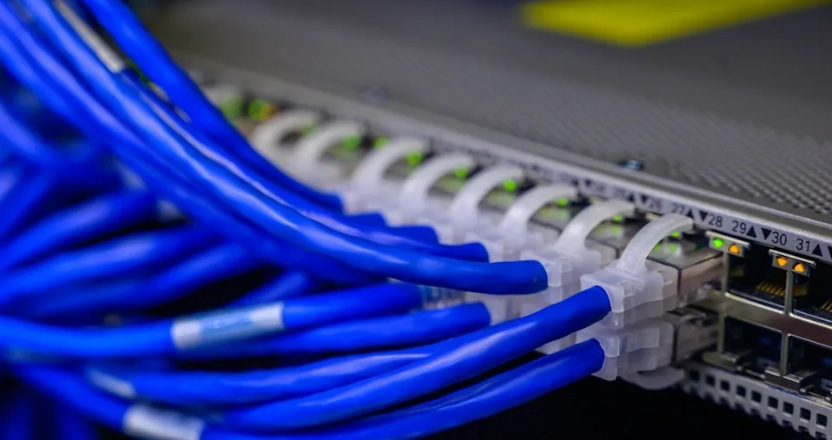
While such investments are decisive statements in and of themselves, the broader observation is that Singapore’s competitive advantage, particularly in high-value services, depends fundamentally on a reliable, high-performance network foundation. AI can only deliver on its promise if it is built upon a robust digital infrastructure, and right now, network reliability is emerging as a...