
USA

USA

The Impact of Trump’s Tariffs on the Economy

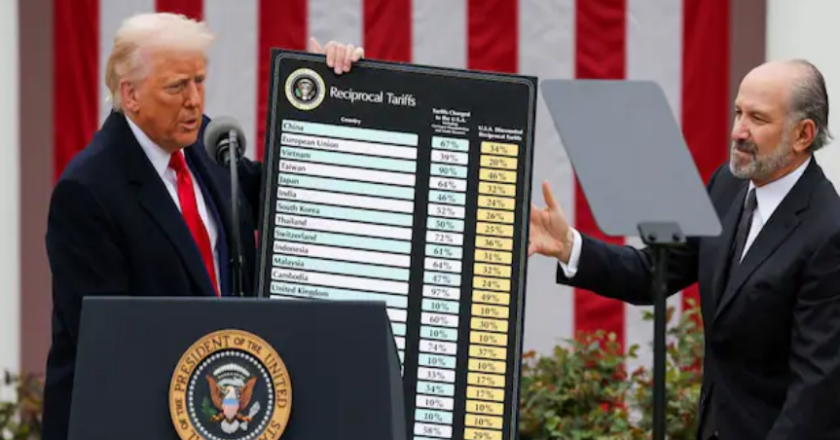
The Economic Effects of President Trump’s TariffsIntroductionOn April 2, 2025, President Trump signed an executive order imposing a minimum 10 percent tariff on all U.S. imports, with higher tariffs on imports from 57 specific countries. The general tariff rate became effective on April 5, while tariffs on imports from the 57 targeted nations, ranging from 11 to 50 percent, took effect on April 9. See the PWBM tariff simulator posted separately, which may have been updated after the publication date of this brief. This resource provides revenue estimates and projected price increases across thousands of different spending categories. Conventional Effects on Revenues and ImportsAs shown in Table 1, we project that tariffs will raise $5.2 trillion in new revenue over the next 10 years, e...
Economist Akash Jindal claims that India decoupled and stands to benefit greatly from the US-China trade war.
USA

Economist Akash Jindal claims that India decoupled and stands to benefit greatly from the US-China trade war.

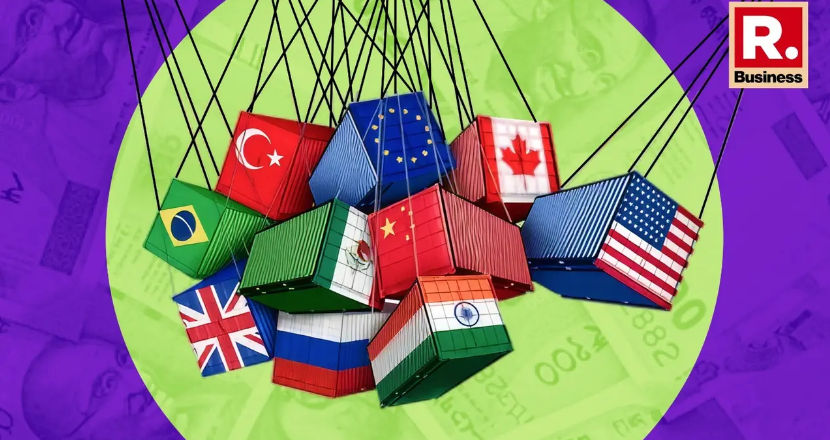
As the United States moves ahead with 100% tariffs on Chinese imports, worries about a global economic slowdown are deepening. But even as the world braces for the fallout, economist Akash Jindal believes India may have reasons to stay optimistic. “This tariff war is going to hurt both the US and China, and the ripple effect could drag many economies down with them,” Jindal said, warning of a possible recession if the measures aren’t rolled back.China's pain is India's gainThe global tension stems from China’s heavy dependence on exports. Already battling issues like deflation, rising debt, and a stressed financial sector, the Chinese economy could face an even sharper decline under the weight of these new tariffs. “China is in a vulnerable spot,” said Jindal. “And with investors pu...
Here are ten important points from China’s white paper on US trade.
USA

Here are ten important points from China’s white paper on US trade.

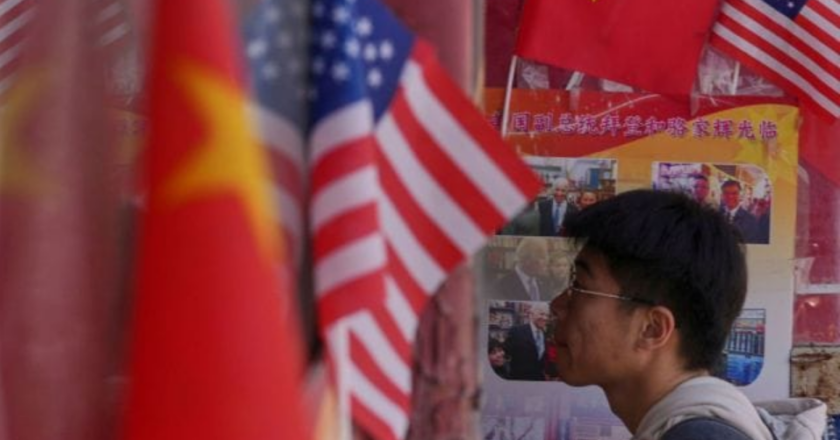
The US-China tariff war has peaked. President Donald Trump on Tuesday imposed another 50% duty on Chinese imports after Beijing announced a 34% tariff on American goods. What was initially a 34% proposal from Trump has now reached an astounding 104%.China's State Council Information Office on Wednesday, April 9, released a white paper titled “China's Position on Some Issues Concerning China-US Economic and Trade Relations.”The Chinese government issued the document to clarify its position on China-US economic and commercial relations and other important issues. Here are some key points to note from the Chinese white paper. Normal for China and the US to have differences and frictions: China and the US have different economic systems and stages of development, which might lead to dif...
Nations moderate their positions on non-trade matters with India
USA

Nations moderate their positions on non-trade matters with India

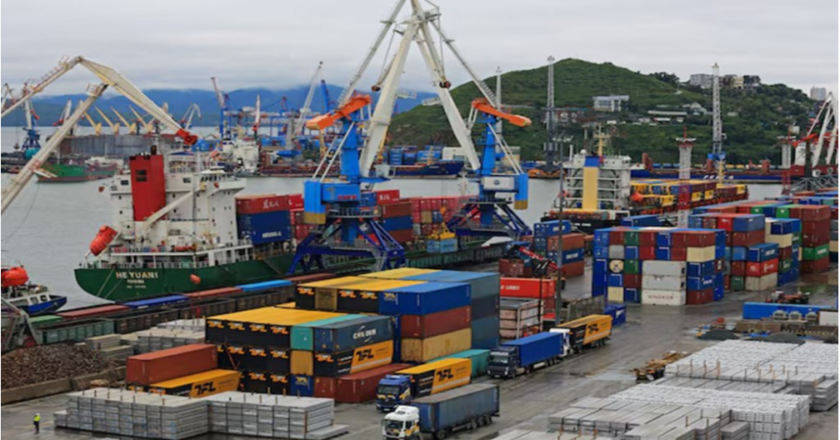
As the shake-up of the world trade by US President Donald Trump has brought back tariffs at the centre stage again, “many developed countries” have indicated to India that they are willing to relax their stands on non-trade issues like sustainability in the free trade agreement (FTA) negotiations for early deals, according to an official. The positive signals from these trading partners would help India to diversify its merchandise trade basket, and minimise negative effects of the additional US tariffs on its exports. Currently, the US accounts for 18% of India’s goods exports. It is important for India to gain from the supply chain reorganisation that the US’s highly disruptive act might cause, and more FTAs with other major trading partners like the European Union and the UK have no...
Concern Over Social Security, Healthcare, and the U.S. Economy
USA

Concern Over Social Security, Healthcare, and the U.S. Economy

Economic issues continue to dominate Americans’ national concerns, with majorities expressing “a great deal” of personal worry about the economy, healthcare availability and affordability, inflation and the federal budget deficit. Along with the economy and healthcare, public concern about Social Security and the environment is up significantly, with Social Security registering a 15-year high. At the same time, concern about crime, drug use, immigration, and the availability and affordability of energy has decreased when the last measure of President Joe Biden’s term in 2024 is compared with the first measure of President Donald Trump’s second term this year. After the change in presidential administrations, partisans’ worries have shifted significantly on most of the 16 issues Gall...
Will 2025 See a Stock Market Crash?
USA

Will 2025 See a Stock Market Crash?

The stock market not only can't find its footing in 2025, but it's also in danger of losing its grip altogether. The benchmark S&P 500 is in the red for 2025, talk of a private sector recession runs rampant and a chaotic geopolitical snapshot shows angst over the Russia-Ukraine war. Additionally, President Donald Trump on April 2 announced high "reciprocal" tariffs on scores of major U.S. trading partners, along with a 10% across-the-board tariff on all other nations. Mexico and Canada were exempt from these new levies, but the two countries have already been hit with tariffs on goods that don't comply with the U.S.-Mexico-Canada trade agreement Trump negotiated in his first term, in addition to tariffs on steel and aluminum. Meanwhile, bellwether semiconductor stocks are slidin...
What is the impact of ‘America First’ tariffs on the US economy?
USA

What is the impact of ‘America First’ tariffs on the US economy?

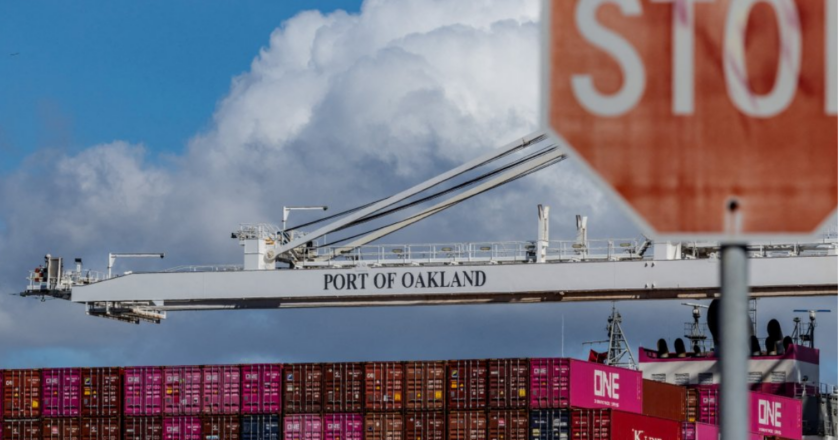
On March 4, 2025, U.S. President Donald Trump instituted major tariffs affecting imports from Canada, Mexico and China. Such actions earlier ignited global trade tensions, prompting swift reactions from the affected nations and raising questions about their potential economic impact. The reason for these tariffs is officially to pressure these nations to enhance efforts against unfair trade practices and drug trafficking, particularly fentanyl, into the United States. Any positive impact on the U.S. economy is questionable but negative impacts seem certain. Under the decisions, the U.S. government imposed a 25% tariff on all imports from Canada and Mexico. Canadian energy products are subject to a 10% tariff. The tariff on Chinese goods has been increased from 10% to 20%. Officially, t...
As family concerns increase and equities plummet, the White House resists calls for a recession.
USA

As family concerns increase and equities plummet, the White House resists calls for a recession.

A key economic adviser to President Donald Trump on Monday pushed back on talk of recession stemming from uncertainty around his administration's tariff policies, even as a survey of American households showed consumers growing more pessimistic about their prospects, and U.S. stocks plunged.In an interview with CNBC, Kevin Hassett, who heads the National Economic Council, said there were many reasons to be optimistic about the U.S. economy, despite some predictions of a contraction in gross domestic product in the first quarter and concerns about inflation.Trump's tariffs on Canada, China and Mexico were already having the intended effect of bringing manufacturing and jobs back to the United States, he said."There are a lot of reasons to be extremely bullish about the economy going forwar...
Beijing retaliates as the US-China trade battle intensifies.
USA

Beijing retaliates as the US-China trade battle intensifies.

Beijing’s tariffs on certain US agricultural goods in retaliation for US President Donald Trump’s latest hike on Chinese imports came into force yesterday, as trade tensions mount between the world’s two leading economies. Since retaking office in January, Trump has unleashed a barrage of tariffs on major US trading partners, including China, Canada and Mexico, citing their failure to stop illegal immigration and flows of deadly fentanyl. After imposing a blanket 10 percent tariff on all Chinese goods early last month, Trump hiked the rate to 20 percent last week. Beijing reacted quickly and announced fresh measures of its own, with levies of 10 and 15 percent imposed on several US farm products, including chicken, wheat, corn and cotton. Soybeans, sorghum, pork, beef, aquatic pr...
USA

Definition, Background, Impact, and Goals of Deregulation

What Is Deregulation?Deregulation is the reduction or elimination of government oversight of an industry. Proponents of deregulation argue that deregulation creates more competition and spurs economic growth. Opponents assert that deregulation risks grave harm to consumers, workers, and the environment. The struggle between proponents of regulation and those of government nonintervention has shifted market conditions. Some of the sectors that have been deregulated in the United States include trucking, railroads, and airlines.1The financial services industry has been regulated, deregulated, and re-regulated over the years as events warranted.The History of Deregulation in the Financial IndustryThe Early DaysThe financial sector in the U.S. wasn’t heavily regulated until the stock ma...